As Amazon Associates, we earn from qualifying purchases. This means we may receive a small commission at no extra cost to you if you click through and make a purchase.
As an Amazon Associate we earn from qualifying purchases. Links on this page are affiliate links.
Understanding Sensor Size in Mirrorless Cameras
Sensor size explained is the foundation of digital imaging. The sensor is the electronic component that captures light. It replaces the film in traditional cameras. The physical dimensions of this chip determine how much light the camera can gather. This directly affects image quality, low-light performance, and depth of field control.
Manufacturers typically label sensors by their approximate diagonal measurement in inches. However, these labels are historical and do not reflect the actual physical size. For example, a one-inch sensor is not one inch wide. The actual dimensions are smaller. You will encounter two common sizes in the mirrorless market: APS-C and one-inch.
An APS-C sensor is significantly larger than a one-inch sensor. The APS-C format usually measures around 23.6 by 15.7 millimeters. This larger surface area allows for bigger photosites. Bigger photosites collect more light. This results in cleaner images with less noise in dim environments. It also enables a shallower depth of field for creative background blur.
A one-inch sensor measures approximately 13.2 by 8.8 millimeters. This size is compact and efficient. It allows for smaller, lighter camera bodies and lenses. The trade-off is reduced light-gathering capability compared to APS-C. Images may show more digital noise in low light. The depth of field is deeper, making it harder to isolate subjects.
When you shop for gear, check the specifications sheet. Look for the exact sensor dimensions or the format name. Do not rely solely on the inch label. Compare the millimeter measurements if possible. A larger sensor generally offers superior image quality but requires larger lenses. A smaller sensor offers portability and lower cost. Your choice depends on whether you prioritize image performance or compactness. Understanding these physical differences helps you select the right tool for your shooting style.
APS-C vs 1-Inch Sensors
APS-C Sensor
An APS-C sensor offers a larger surface area than smaller formats. This size captures more light, which improves image quality in low light and reduces digital noise. You get better dynamic range and cleaner backgrounds when shooting portraits. The Canon EOS R50 and Sony a6400 use this format. They deliver 4K video with strong autofocus systems. The larger sensor allows for shallower depth of field, isolating your subject from the background. You might notice slightly larger camera bodies to accommodate this sensor size. However, the trade-off is worth it for serious creators who prioritize image fidelity and video performance over extreme portability. This format suits vloggers and beginners who want professional-looking results without the bulk of full-frame gear.
1-Inch Sensor
A 1-inch sensor is smaller than APS-C but larger than smartphone sensors. It offers a balance between image quality and compact size. While it gathers less light than APS-C, it still produces sharp images for everyday use. This format is common in compact mirrorless cameras designed for travel. You get a smaller, lighter body that fits easily in a pocket or small bag. The trade-off is reduced low-light performance compared to APS-C models. You may see more noise in dim environments. However, the convenience of a small footprint makes it ideal for casual shooters. If you prioritize carrying ease and quick snap shots over cinematic depth of field, this sensor size is a practical choice. It serves users who want better quality than a phone without the weight of larger interchangeable lens cameras.
Is APS-C Worth The Upgrade
Who needs it
You should prioritize the APS-C sensor if you shoot in variable lighting conditions frequently. The larger surface area gathers significantly more light than smaller formats. This physical advantage translates to cleaner images with less digital noise when shooting indoors or at dusk. You will also notice improved dynamic range, allowing you to recover details in shadows and highlights that smaller sensors might lose. The bigger chip also helps create naturally blurred backgrounds, known as bokeh, which is essential for portrait work. If you need flexibility in low-light scenarios without relying heavily on flash or high ISO settings, this size is a practical choice. It offers a tangible step up in image fidelity for serious hobbyists who demand quality in challenging environments.
Who can skip it
You can skip the larger sensor if you primarily shoot in bright, consistent daylight. The 1-Inch sensor is sufficient for casual snapshots and social media sharing. It keeps the camera body compact and lightweight, which matters for travel or all-day carrying. If you value portability over absolute image perfection, this smaller format serves you well. The trade-off is some loss in low-light performance and background separation, but for many users, this is an acceptable compromise. Prioritize lens quality and camera handling features instead. A smaller sensor allows for more affordable and compact equipment. You do not need the extra light-gathering capacity if you rarely shoot in dim settings. Focus on ergonomics and ease of use rather than sensor dimensions for everyday convenience.
Key Camera Sensor Terms
Sensor Format
The physical size of the image sensor, such as APS-C or Full Frame. Larger formats generally capture more light, improving low-light performance and depth of field control.
Sensor Resolution
The number of megapixels on the sensor. Higher resolution allows for larger prints and more detailed cropping, but may increase file sizes and require more processing power.
Video Resolution
The clarity of recorded video, measured in pixels like 4K or 1080p. Higher resolution provides sharper footage, though it requires more storage space and faster memory cards.
Autofocus Technology
The system that locks focus on your subject. Modern mirrorless cameras use phase detection for speed and accuracy, tracking moving subjects like people or wildlife effectively.
Recommended Usage
The ideal shooting scenarios for a specific camera setup. For example, APS-C sensors are often recommended for travel and sports due to their compact size and reach.
Included Lens
The lens provided with the camera body, often called a kit lens. It offers a versatile focal range for everyday shooting, though it may lack the speed of premium optics.
Color Configuration
How the sensor captures color data, often using a Bayer filter array. This arrangement allows each pixel to record only one color, which the camera interpolates into full color.
| # | Product | Best for | Price |
|---|---|---|---|
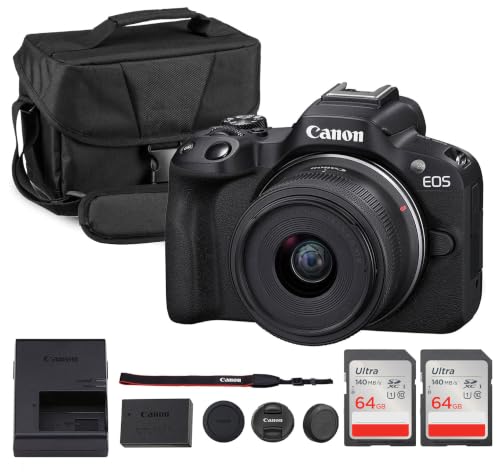
| 1 | Canon EOS R50 24.2MP APS-C Mirrorless Camera | vlogging and beginner content creation | |
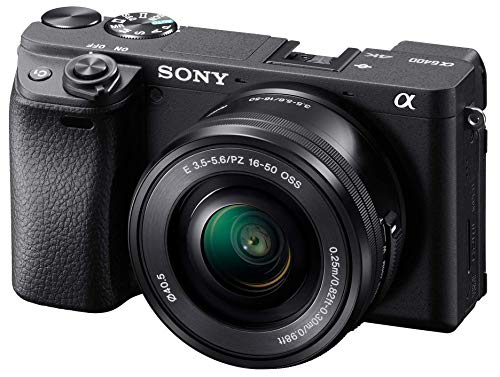
| 2 | Sony Alpha a6400 APS-C Camera | fast autofocus and vlogging flexibility | |
| 3 | Canon EOS R50 with 18-45mm Lens Kit | vlogging and casual content creation | |
| 4 | Canon EOS R100 with 18-45mm Lens Kit | beginners seeking a lightweight starter kit | |
| 5 | Sony Alpha a6400 with 16-50mm Lens | fast action and vlogging with 4K video | |
| 6 | Sony a6700 APS-C Mirrorless Camera | high frame rate video and AI tracking |
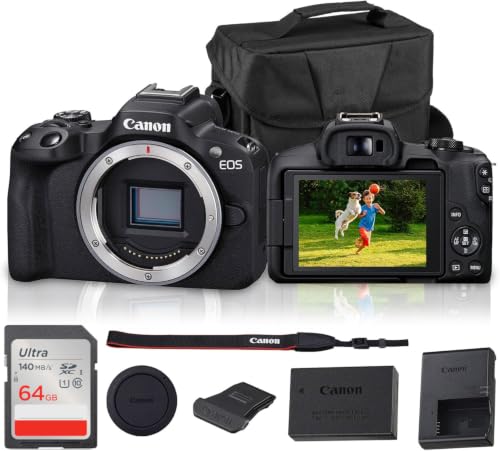
Canon EOS R50 24.2MP APS-C Mirrorless Camera
Best for: vlogging and beginner content creation
- Sensor Size
- APS-C Sensor
- Sensor Format
- APS-C
- Sensor Resolution
- 24.2MP
- Max Video Resolution
- 4K
- Continuous Shooting Speed
- 15 fps
- Lens Mount
- RF and RF-S
The Canon EOS R50 is a compact APS-C mirrorless camera designed for creators who need reliable autofocus and video capabilities. It features a 24.2MP sensor and shoots 4K 30p video oversampled from 6K. The electronic shutter enables 15fps burst shooting, while Dual Pixel AF II tracks subjects effectively. Its vari-angle screen and lightweight build make it suitable for vlogging and travel.
- 24.2MP APS-C sensor for high-resolution images
- 4K 30p video oversampled from 6K for detail
- 15fps continuous shooting with electronic shutter
- Dual Pixel AF II for subject tracking
- Fully articulating vari-angle touchscreen
- 15fps burst speed is lower than the 26MP Sony a6700
- 4K 30p video frame rate is lower than 4K 60p options
- 24.2MP resolution is lower than the 26MP Sony a6700
- You want a lightweight camera for vlogging
- You need reliable subject tracking for action
- You prefer a vari-angle screen for framing
- You require 4K 60p video recording
- You need 26MP resolution for cropping
- You want 30fps or higher burst shooting
Verdict: Canon EOS R50 APS-C Mirrorless is a practical tool for vloggers and beginners who prioritize autofocus reliability and video oversampling over maximum resolution or frame rates. It suits those who value a compact body and flexible screen angles for content creation.

Sony Alpha a6400 APS-C Camera
Best for: fast autofocus and vlogging flexibility
- Sensor Size
- APS-C Sensor
- Sensor Format
- APS-C
- Max Video Resolution
- 4K
- Continuous Shooting Speed
- 11Fps
- Configuration
- Body
- Color
- Black
The Sony a6400 is a compact APS-C mirrorless camera designed for stills and video. It features a 24.2MP sensor with 4K video capability. The autofocus system covers 84% of the sensor area with 425 phase-detection points. You get continuous shooting at 11 fps. The tiltable touchscreen LCD supports vlogging. This body weighs 1.41 pounds. It suits shooters who need fast focus and portability.
- 24.2MP APS-C sensor with 4K video resolution
- World's fastest 0.02 sec AF with real-time tracking
- 11 fps continuous shooting at 24.2MP
- 425 phase-detection points covering 84% of the sensor
- Tiltable touchscreen LCD for flexible angles
- 1.41 pounds weight is heavier than some compact rivals
- 11 fps burst speed is lower than the 26MP Sony a6700
- 4K video is limited to 30p, matching the Canon R50 but slower than some competitors
- You need reliable real-time eye auto focus for portraits
- You want a lightweight body for travel photography
- You shoot both stills and 4K video regularly
- You require 4K video at higher frame rates than 30p
- You prefer a camera lighter than 1.41 pounds
- You need higher burst speeds than 11 fps
Verdict: Sony a6400 APS-C Mirrorless Camera delivers fast autofocus and solid 4K video in a portable body. It fits photographers who prioritize tracking performance and screen flexibility over maximum burst speed.

Canon EOS R50 with 18-45mm Lens Kit
Best for: vlogging and casual content creation
- Sensor Size
- APS-C Sensor
- Sensor Format
- APS-C
- Sensor Resolution
- 24.2 MP
- Max Video Resolution
- 4K
- Continuous Shooting Speed
- Up to 15 fps
- Configuration
- RF-S18-45mm F4.5-6.3 IS STM Lens Kit
The Canon EOS R50 is a compact mirrorless camera featuring a 24.2-megapixel APS-C sensor and DIGIC X processor. It records 4K video at 30 fps and shoots up to 15 fps continuously. The kit includes an RF-S 18-45mm lens and a vari-angle touchscreen. This setup suits vloggers and content creators who need reliable autofocus and portability for daily use.
- 24.2 MP APS-C CMOS sensor for high image clarity
- 15 fps electronic shutter for capturing fast action
- 4K 30p video with 6K oversampling for detailed footage
- Dual Pixel CMOS AF II with subject detection
- 15 fps burst speed is lower than the 26 MP Sony a6700
- Included RF-S 18-45mm lens has a slower f/4.5-6.3 maximum aperture
- 4K video is limited to 30 fps unlike faster options
- You want a lightweight APS-C camera for vlogging
- You need reliable eye and subject tracking autofocus
- You prefer a vari-angle touchscreen for easy composition
- You require 4K video at higher than 30 fps
- You need a faster continuous shooting speed than 15 fps
- You prefer a camera body without an included lens
Verdict: Canon EOS R50 APS-C Mirrorless is a practical entry-level option for creators who value portability and smart autofocus over high-speed burst performance. It fits users who prioritize video utility and ease of use in a compact body.

Canon EOS R100 with 18-45mm Lens Kit
Best for: beginners seeking a lightweight starter kit
- Sensor Size
- APS-C Sensor
- Sensor Format
- APS-C
- Sensor Resolution
- 24.1 megapixel
- Max Video Resolution
- 4K
- Continuous Shooting Speed
- up to 6.5 shots per second
- Configuration
- Lens Kit
The Canon EOS R100 is an entry-level mirrorless camera with a 24.1-megapixel APS-C sensor and DIGIC 8 processor. It records 4K video at 24 fps and Full HD at 60 fps. The body measures 4.6 x 3.4 x 2.7 inches. It includes an 18-45mm lens and connects via Wi-Fi. This kit suits beginners seeking a lightweight system for stills and video.
- 24.1-megapixel APS-C sensor for detailed images
- Compact body dimensions of 4.6 x 3.4 x 2.7 inches
- Dual Pixel CMOS AF with face and eye detection
- Includes RF-S 18-45mm lens in the kit
- 4K video is limited to 24 fps compared to 30 fps on other list models
- Continuous shooting speed is 6.5 fps, lower than the 11 fps on the Sony a6400
- Maximum aperture of f/4 is slower than the f/3.5 lens on the Canon R50
- You want a lightweight camera for travel
- You need a starter kit with a lens included
- You prioritize still image quality over high frame rate video
- You require 4K video at 30 fps or higher
- You need faster continuous shooting for sports
- You prefer a camera with a faster lens aperture
Verdict: Canon EOS R100 APS-C Mirrorless is a compact entry point for beginners who value portability and basic 4K video. It fits users who do not need high-speed burst shooting or advanced video frame rates.
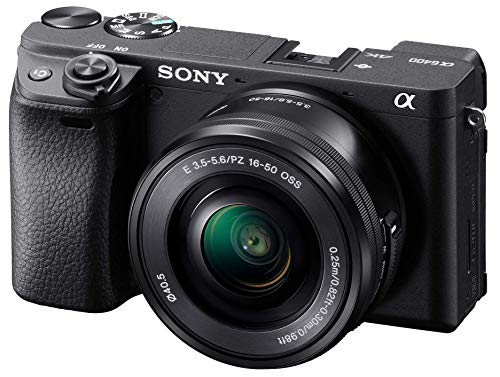
Sony Alpha a6400 with 16-50mm Lens
Best for: fast action and vlogging with 4K video
- Sensor Size
- APS-C Sensor
- Sensor Format
- APS-C
- Sensor Resolution
- 24.2 MP
- Max Video Resolution
- 4K
- Continuous Shooting Speed
- Up to 11Fps
- Lens Mount
- E Mount
The Sony Alpha a6400 is a compact APS-C mirrorless camera designed for creators who need speed and portability. It features a 24.2 MP sensor and shoots 4K video. You get 11 fps continuous shooting and 425 autofocus points covering 84% of the sensor. The tiltable LCD screen helps with framing shots. It comes with a 16-50mm lens and weighs 10.3 ounces, making it easy to carry for daily use.
- 24.2 MP APS-C sensor for detailed images
- 4K video resolution for high-quality footage
- 11 fps continuous shooting speed
- 425 phase/contrast detection autofocus points
- Tiltable LCD screen for flexible angles
- Lower 24.2 MP resolution compared to the 26 MP sensors in other list options
- Heavier 10.3-ounce body weight than the ultra-lightweight R100
- Shorter 16-50mm kit lens focal range than the R50's 18-45mm
- You need fast 11 fps burst shooting for action
- You want 4K video with reliable autofocus
- You prefer a compact camera with a tilting screen
- You need the highest 26 MP resolution available
- You want the lightest possible camera body
- You require a longer zoom range in the kit lens
Verdict: Sony a6400 APS-C Mirrorless Camera offers a balanced mix of speed and video quality for vloggers and enthusiasts who value autofocus coverage over maximum megapixel counts. It suits users who prioritize portability and real-time eye auto focus for their daily shooting.
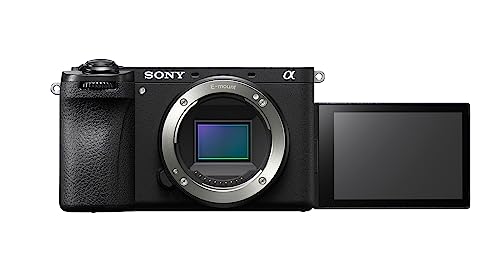
Sony a6700 APS-C Mirrorless Camera
Best for: high frame rate video and AI tracking
- Sensor Size
- APS-C Sensor
- Sensor Format
- APS-C
- Sensor Resolution
- 26.0 MP
- Max Video Resolution
- 4K
- Configuration
- Body Only
- Image Processor
- BIONZ XR
The Sony a6700 is a compact APS-C mirrorless camera with a 26.0MP Exmor R sensor. It uses the BIONZ XR processor and a dedicated AI chip for subject tracking. You get 4K video at up to 120p. It weighs 14.5 ounces and measures 4.8 inches long. This setup suits you if you need high frame rate recording and accurate autofocus in a small body.
- 26.0MP APS-C Exmor R back-illuminated CMOS sensor
- 4K/60p 6K oversampled 10-bit video recording
- High frame rate 4K 120p recording capability
- Dedicated AI Processor for real-time subject tracking
- Heavier build at 14.5 ounces compared to lighter APS-C options
- Bulky dimensions at 4.8 x 2.72 x 2.5 inches
- Lower resolution than the 24.2MP competitors on the list
- You need high frame rate 4K 120p video for slow motion
- You want dedicated AI subject tracking for active scenes
- You prefer a compact body with interchangeable lenses
- You require a lighter camera under 13 ounces
- You need the smallest possible footprint for travel
- You only shoot stills and do not need video specs
Verdict: Sony a6700 APS-C Mirrorless camera delivers robust video specs and AI tracking in a compact body. It fits you best if you prioritize high frame rate recording and subject tracking over absolute minimal weight.
Specifications side by side
| Spec | Canon EOS R50 24.2MP APS-C Mirrorless Camera | Sony Alpha a6400 APS-C Camera | Canon EOS R50 with 18-45mm Lens Kit | Canon EOS R100 with 18-45mm Lens Kit | Sony Alpha a6400 with 16-50mm Lens | Sony a6700 APS-C Mirrorless Camera |
|---|---|---|---|---|---|---|
| Sensor Format | APS-C | APS-C | APS-C | APS-C | APS-C | APS-C |
| Sensor Resolution | 24.2MP | – | 24.2 MP | 24.1 megapixel | 24.2 MP | 26.0 MP |
| Max Video Resolution | 4K | 4K | 4K | 4K | 4K | 4K |
| Continuous Shooting Speed | 15 fps | 11Fps | Up to 15 fps | up to 6.5 shots per second | Up to 11Fps | – |
| Lens Mount | RF and RF-S | – | – | – | E Mount | – |
| Configuration | – | Body | RF-S18-45mm F4.5-6.3 IS STM Lens Kit | Lens Kit | with 16-50mm Lens | Body Only |
| Image Processor | – | – | DIGIC X | DIGIC 8 | – | BIONZ XR |
| Video Resolution | 4K | 4K | 4K | 4K | 4K | 4K |
| Recommended Usage | Vlogging | – | Photography, Vlogging, Content Creation | – | – | Vlogging |
| Included Lens | – | – | 18-45mm Lens | 18-45mm Lens | 16-50mm Lens | – |
| Autofocus Technology | Dual Pixel AF | – | – | – | – | – |
| Color | Black | Black | Black | Black | Black | Black |
| Sensor Size | APS-C Sensor | APS-C Sensor | APS-C Sensor | APS-C Sensor | APS-C Sensor | APS-C Sensor |
| Display Feature | – | Touch Screen | – | – | Flip Screen | – |
| Connectivity | – | – | – | Wi-Fi | – | – |
| Focal Length | – | – | – | – | 50mm | – |
| Maximum Aperture | – | – | f/4 | f/4 | – | – |
| Intended Use | Video | Video | Video | Video | Video | Video |
| Features | – | Touchscreen | – | – | – | – |
| Dimensions | 8 × 7 × 6 inches | 6.1 × 5.6 × 4.5 inches | 2.71 × 4.58 × 3.37 inches | 2.7 × 4.6 × 3.4 inches | 6.2 × 9.2 × 4.55 inches | 4.8 × 2.72 × 2.5 inches |
| Weight | 2 pounds | 1.41 pounds | 1 pounds | – | 1.14 pounds | 14.5 ounces |
| Model | 5811C002_EDIP_1 | ILCE6400/B | 5811C012 | 6052C012 | ILCE6400L/B | ILCE6700/B |
| Size | – | ILCE6400/B | – | – | 6.2 x 9.2 x 4.55 inches | – |
Frequently asked questions
Does APS-C sensor size affect image quality?
Yes, the larger surface area captures more light. This improves low-light performance and reduces digital noise. You get better dynamic range and cleaner backgrounds. The Canon EOS R50 and Sony a6400 use this format for reliable autofocus and solid 4K video in a portable body.
Is APS-C good for vlogging?
It is excellent for vlogging due to portability and video features. The Canon EOS R50 offers flexible screen angles and Dual Pixel AF. The Sony a6400 provides fast tracking and a flip screen. Both models deliver 4K video resolution in compact bodies suitable for content creation.
How heavy is an APS-C mirrorless camera?
Weight varies by model and kit configuration. The Sony a6400 with lens weighs 10.3 ounces. The Canon EOS R50 body only weighs 2 pounds. The Sony a6700 is lighter at 14.5 ounces. These sizes allow for easy handling during extended shooting sessions or travel.
What is the difference between APS-C and 1-inch sensors?
APS-C sensors are larger and gather more light. This results in better low-light performance and reduced noise. The 1-inch sensor is smaller and less capable in dim conditions. The products listed here all utilize APS-C sensors for superior image quality and dynamic range.
Do APS-C cameras support 4K video?
Yes, most modern APS-C models support 4K video resolution. The Canon EOS R50, Sony a6400, and Sony a6700 all record in 4K. This allows you to capture high-detail footage. The Canon EOS R100 also offers 4K video for beginners seeking basic utility.
Is autofocus reliable on APS-C mirrorless cameras?
Autofocus is generally very reliable on these models. The Canon EOS R50 uses Dual Pixel AF for consistent tracking. The Sony a6400 and a6700 offer fast autofocus and AI tracking. These systems help you keep subjects sharp, which is crucial for vlogging and action shots.