As Amazon Associates, we earn from qualifying purchases. This means we may receive a small commission at no extra cost to you if you click through and make a purchase.
As an Amazon Associate we earn from qualifying purchases. Links on this page are affiliate links.
When you compare a tamron vs sigma camera lens, you are looking at two distinct optical approaches. Both brands prioritize sharpness and build quality for digital SLR systems. The main difference lies in their focal range and intended use. One offers a versatile standard zoom for general photography. The other provides a super wide angle view for expansive scenes. You must choose based on whether you need flexibility or extreme perspective.
Focal Length
24-70mm
10-20mm
Lens Type
Zoom
Super Wide Angle
Maximum Aperture
f/2.8
F3.5
Mount
Nikon
Canon
Weight
1.98 pounds
1.15 pounds
Image Stabilization
Yes (5 stops)
Not listed
Choose the first if
- You need a versatile focal range for portraits and landscapes.
- You shoot in lower light and require a wider aperture.
- You use a Nikon DSLR and want built-in stabilization.
Choose the second if
- You capture architecture or landscapes and need extreme width.
- You prefer a lighter lens for travel or hiking.
- You use a Canon DSLR and want a dedicated wide-angle tool.
Verdict
The Tamron fits photographers who need a flexible standard zoom with image stabilization. The Sigma suits those who prioritize a super wide perspective and lighter weight. Your choice depends entirely on your camera mount and desired field of view.
Tamron vs Sigma Lens Comparison
Focal Range Versatility
Edge: Tamron 24-70mm F/2.8 G2 for Nikon
The Tamron 24-70mm F/2.8 G2 is a standard zoom lens. Its focal length covers 24 to 70mm. This range suits portraits and landscapes well. It offers a versatile perspective for general photography. The Sigma 10-20mm f/3.5 is a super wide angle lens. Its focal length covers 10 to 20mm. This range is specialized for architecture or interiors. It captures a much wider field of view. The Tamron provides a broader creative range for most users. The Sigma focuses on extreme wide-angle shots. You must choose based on your shooting style.
Autofocusing Technology
Edge: Tamron 24-70mm F/2.8 G2 for Nikon
The Tamron lens features a dedicated MPU for image stabilization. It also uses a high-performance MPU for autofocus. This setup dramatically improves autofocus accuracy and speed. The lens includes VC auto detect mode 2. The Sigma lens uses HSM technology for autofocus. The data does not specify the speed or accuracy of the Sigma system. It lists the HSM motor type. The Tamron provides more detailed specs on its motor performance. It highlights specific modes for panning and focal length detection. The Tamron offers more transparency regarding its focusing mechanics.
Image Stabilization
Edge: Tamron 24-70mm F/2.8 G2 for Nikon
The Tamron 24-70mm G2 includes advanced image stabilization. It delivers up to 5 CIPA-rated stops of compensation. This helps reduce camera shake in low light. The lens uses Eband coating to reduce flare and ghosting. The Sigma 10-20mm lens data does not list image stabilization. It mentions a petal-type hood is included. The hood helps with flare but does not stabilize the image. The Tamron provides active stabilization for sharper handheld shots. The Sigma relies on the photographer to manage shake. The Tamron is better for low-light handheld work.
Physical Dimensions and Weight
Edge: Sigma 10-20mm f/3.5 Super Wide Angle Lens
The Tamron lens is larger and heavier. It measures 4.3 inches in length and weighs 1.98 pounds. The Sigma lens is more compact. It measures 3.46 inches in length and weighs 1.15 pounds. The Sigma is lighter and easier to carry. The Tamron is bulkier due to its larger glass elements. The size difference is noticeable in your hands. The Sigma offers better portability for travel. The Tamron requires more space in your bag. Choose the Sigma for a lighter setup.
Build Quality and Coatings
Edge: Tamron 24-70mm F/2.8 G2 for Nikon
The Tamron lens features fluorine coating on the front element. This repels water and dust for easy cleaning. It also has moisture-resistant construction. The lens uses Eband coating for anti-reflection properties. The Sigma lens data does not mention special coatings or weather sealing. It only lists the included petal-type hood. The Tamron offers better protection against the elements. Its construction is designed for durability and maintenance. The Sigma lacks detailed build spec information. The Tamron is built for harsher conditions.
Which lens fits your style
Landscape photographers needing wide views
Our pick: Sigma 10-20mm f/3.5 Super Wide Angle Lens
You need a super-wide angle for dramatic scenery. This Sigma lens covers 10 to 20mm. That short focal length captures expansive vistas. The f/3.5 aperture is consistent across the range. It weighs 1.15 pounds, making it lighter for travel. You get sharp edges thanks to ELD and SLD glass elements.
Portrait shooters wanting background blur
Our pick: Tamron 24-70mm F/2.8 G2 for Nikon
You require a fast f/2.8 aperture for subject isolation. This Tamron zoom covers 24 to 70mm. That range is ideal for portraits and close-ups. The minimum focus distance is 0.38 meters. You get close enough for detailed headshots. The constant wide aperture lets in more light for low-light situations.
Travelers needing image stabilization
Our pick: Tamron 24-70mm F/2.8 G2 for Nikon
You shoot handheld in varying light conditions. This Tamron lens includes VC image stabilization. It offers 5 stops of shake correction. That helps you get sharp images at slower shutter speeds. The fluorine coating repels moisture and dirt. You can rely on it in unpredictable weather while traveling.
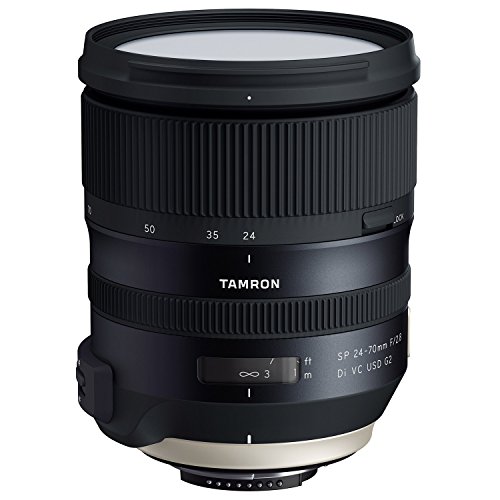
Tamron 24-70mm F/2.8 G2 for Nikon
Best for: Nikon photographers needing stabilized zoom
- Lens Mount
- Nikon
- Focal Length
- 24-70mm
- Maximum Aperture
- f/2.8
- Lens Type
- Zoom
- Minimum Focus Distance
- 0.38 m (15 in)
- Recommended Usage
- Photography
This Tamron zoom lens covers 24-70mm with a constant f/2.8 aperture. It weighs 1.98 pounds and measures 4.3 inches long. The lens includes 5-stop image stabilization and fast autofocus. Fluorine coating helps repel moisture. It suits photographers who need a versatile standard zoom for portraits and landscapes on Nikon cameras.
- Constant f/2.8 maximum aperture
- 5 CIPA-rated stops of image stabilization
- Fast autofocus with dedicated MPU
- Fluorine coating for moisture resistance
- Weighs 1.98 pounds
- Measures 4.3 inches in length
- You need a versatile standard zoom range
- You shoot in variable lighting conditions
- You use Nikon mount cameras
- You prefer a lighter, more compact lens
- You require a wider angle than 24mm
- You need a longer telephoto reach
Verdict: Tamron 24-70mm f/2.8 G2 for Nikon delivers reliable image stabilization and a fast aperture. It fits photographers who prioritize stabilization and versatility in a standard zoom.

Sigma 10-20mm f/3.5 Super Wide Angle Lens
Best for: Canon DSLR landscape photography
- Focal Length
- 10-20mm
- Maximum Aperture
- F3.5
- Lens Type
- Super Wide Angle
- Color
- Black
- Dimensions
- 3.46 × 3.43 × 3.43 inches
- Weight
- 1.15 pounds
This Sigma super-wide lens covers a 10-20mm focal length with a constant f/3.5 maximum aperture. It uses ELD and SLD aspherical glass to manage distortion. The build weighs 1.15 pounds and measures 3.46 inches in length. You get a petal-type hood included. This setup suits landscape photographers who need a broad field of view for Canon DSLR cameras.
- Constant f/3.5 aperture across the full zoom range
- Super-wide 10-20mm focal length
- Includes petal-type hood
- Uses ELD and SLD aspherical glass elements
- Heavier at 1.15 pounds compared to lighter alternatives
- Longer at 3.46 inches, making it bulkier to carry
- Slower f/3.5 aperture limits low-light performance
- You shoot landscapes and need a wide field of view
- You use Canon DSLR cameras
- You want a lens that includes a hood
- You need a faster aperture for low light
- You prefer a lighter and more compact lens
- You use mirrorless cameras or Nikon mounts
Verdict: Sigma 10-20mm f/3.5 Super Wide Angle Lens fits Canon DSLR users who prioritize a broad 10-20mm view over portability and speed.
Specifications side by side
| Spec | Tamron 24-70mm F/2.8 G2 for Nikon | Sigma 10-20mm f/3.5 Super Wide Angle Lens |
|---|---|---|
| Lens Mount | Nikon | – |
| Focal Length | 24-70mm | 10-20mm |
| Maximum Aperture | f/2.8 | F3.5 |
| Lens Type | Zoom | Super Wide Angle |
| Minimum Focus Distance | 0.38 m (15 in) | – |
| Recommended Usage | Photography | – |
| Color | Black | Black |
| Intended Use | Portraits, Landscapes | – |
| Dimensions | 4.3 × 3.5 × 3.5 inches | 3.46 × 3.43 × 3.43 inches |
| Weight | 1.98 pounds | 1.15 pounds |
| Size | Nikon | – |
| Model | AFA032N700 | 202101 |
Frequently asked questions
Which brand offers better image stabilization for Nikon users?
Tamron provides reliable image stabilization in its G2 series lenses. The Tamron 24-70mm F/2.8 G2 for Nikon includes this feature. It helps you capture sharper images in low light or while moving. Sigma does not have a listed stabilization lens for this specific mount in the current data. If you prioritize stabilization, the Tamron option is the practical choice for Nikon photographers.
Is Sigma better for wide-angle landscape photography?
Sigma offers a dedicated super wide-angle lens for landscape work. The Sigma 10-20mm f/3.5 covers a 10 to 20mm range. This short focal length captures expansive vistas and dramatic scenery. It weighs 1.15 pounds, making it manageable for travel. If you need a broad view for Canon DSLRs, this Sigma lens fits your needs better than a standard zoom.
How do the weights of these lenses compare?
The Tamron 24-70mm F/2.8 G2 weighs 1.98 pounds. The Sigma 10-20mm f/3.5 weighs 1.15 pounds. The Sigma lens is significantly lighter. This difference matters if you carry gear for long hikes. The Tamron is heavier due to its larger glass elements and stabilization mechanics. You should choose the lighter Sigma if portability is your main concern.
Which lens has a wider maximum aperture?
The Tamron 24-70mm F/2.8 G2 has a maximum aperture of f/2.8. The Sigma 10-20mm f/3.5 has a maximum aperture of f/3.5. A lower f-number means a wider opening. This allows more light to enter the sensor. The Tamron aperture is wider, which helps in dimmer conditions. You get a brighter viewfinder image with the Tamron lens compared to the Sigma.
Can I use the Tamron lens for portraits?
Yes, the Tamron 24-70mm F/2.8 G2 is suitable for portraits. Its focal length range covers 24 to 70mm. This range is versatile for general photography, including portrait work. The f/2.8 aperture allows for subject separation from the background. You can shoot headshots or full-body portraits with this lens. It is a solid choice if you need one lens for multiple subjects.
What camera mounts are supported by these lenses?
The Tamron 24-70mm F/2.8 G2 is listed for Nikon mounts. The Sigma 10-20mm f/3.5 is listed for Canon DSLR users. You must match the lens mount to your camera body. Using an incompatible mount will prevent the lens from attaching. Check your camera brand before purchasing. The Tamron data specifies Nikon, while the Sigma data implies Canon compatibility.


