As Amazon Associates, we earn from qualifying purchases. This means we may receive a small commission at no extra cost to you if you click through and make a purchase.
As an Amazon Associate we earn from qualifying purchases. Links on this page are affiliate links.
This tamron vs nikon camera lens comparison focuses on two 24-70mm f/2.8 zooms for Nikon mounts. Both lenses offer a versatile focal range and a wide maximum aperture for low light. They share similar intended uses for portraits and landscapes. The main difference lies in their physical design and stabilization. The Tamron includes built-in image stabilization and is lighter. The Nikon is heavier and lacks stabilization but uses Nikon’s Silent Wave Motor for autofocus.
Image Stabilization
5 stops VC
Not listed
Autofocus Motor
High performance MPU
Silent Wave Motor (SWM)
Weight
1.98 pounds
2.89 pounds
Length
4.3 inches
5.2 inches
Coating
Eband coating
Nano Crystal Coat
Choose the first if
- You want built-in image stabilization to reduce blur in handheld shots.
- You prefer a lighter lens that is easier to carry for long periods.
- You value a more compact length when attaching the lens to your camera body.
Choose the second if
- You prioritize Nikon’s Silent Wave Motor for quiet and fast autofocus.
- You want a lens optimized specifically for Nikon FX and DX sensor formats.
- You prefer the durability and coating technology of Nikon’s Nano Crystal Coat.
Verdict
Choose the Tamron if you need image stabilization and a lighter build for handheld versatility. Pick the Nikon if you prefer Nikon’s native autofocus motor and optical coatings. Both lenses deliver the same focal length and aperture for professional results.
Tamron vs Nikon Lens Specs
Autofocus Technology
Edge: Tie
The Tamron 24-70mm G2 uses a dedicated MPU to drive its autofocus motor. This setup aims for high speed and accuracy in tracking subjects. It also features a VC auto detect mode 2 that helps during panning shots. The Nikon 24-70mm f/2.8G relies on Nikon’s Silent Wave Motor. This motor provides ultra-high-speed focusing with super-quiet operation. Both lenses prioritize fast and accurate autofocus performance. However, the Tamron includes specific processing units for its stabilization and focus systems, while Nikon emphasizes the silent nature of its motor. If you need quiet operation, the Nikon design stands out.
Image Stabilization
Edge: Tamron 24-70mm F/2.8 G2 for Nikon
The Tamron lens includes built-in Vibration Compensation (VC) image stabilization. It is rated at five stops by CIPA standards, which helps reduce blur in handheld shots. The Nikon 24-70mm f/2.8G does not list image stabilization in its features or specs. This means you must rely on your camera body’s stabilization or faster shutter speeds when using the Nikon lens. For handheld video or low-light photography, the Tamron’s stabilization provides a practical advantage. It allows you to shoot at slower shutter speeds without introducing shake. The Nikon lens lacks this specific feature entirely in its specifications.
Build and Coatings
Edge: Tamron 24-70mm F/2.8 G2 for Nikon
Both lenses use advanced coatings to manage light. The Tamron features Eband coating to reduce flare and ghosting, along with a fluorine coating that resists moisture and smudges. The Nikon lens uses Nano Crystal Coat to lower ghosting and flare. It also includes ED elements and aspherical lenses to control chromatic aberrations. The Tamron has moisture-resistant construction. The Nikon lens is optimized for sharpness on both FX and DX sensors. While both offer robust optical protection, the Tamron explicitly mentions moisture resistance and fluorine coating in its build details, giving it a slight edge in weather protection claims.
Physical Dimensions
Edge: Tamron 24-70mm F/2.8 G2 for Nikon
Size matters when you carry gear all day. The Tamron lens measures 3.5 inches in width and height, with a length of 4.3 inches. It weighs 1.98 pounds. The Nikon lens is 3.3 inches wide and high, but it is longer at 5.2 inches. It also weighs significantly more at 2.89 pounds. The Nikon lens is taller and heavier, which may affect balance on smaller camera bodies. The Tamron is more compact in length and notably lighter. For portability and ease of handling during long shoots, the Tamron offers a more manageable form factor. The weight difference is nearly one pound.
Optical Design
Edge: Tie
Both lenses share the same 24-70mm focal range and f/2.8 maximum aperture. The Nikon lens highlights its use of two ED elements and PGM aspherical lenses to enhance sharpness and contrast. It is optimized for edge-to-edge sharpness on FX and DX sensors. The Tamron does not list specific glass types in the provided data, but it emphasizes its Eband coating for clarity. Both are zoom lenses intended for portraits and landscapes. The Nikon provides more detail on its optical formula for aberration control. The Tamron focuses on its coating technology. Both deliver wide apertures for low light performance.
Minimum Focus Distance
Edge: Tamron 24-70mm F/2.8 G2 for Nikon
The Tamron lens has a minimum focus distance of 0.38 meters, or 15 inches. This allows you to get relatively close to your subject for detail shots. The Nikon lens does not list a minimum focus distance in the provided specifications. Without this data, you cannot compare their close-up capabilities directly. The Tamron’s stated distance is useful for macro-style work within a zoom lens. If you need to know how close you can get, the Tamron provides a clear metric. The Nikon’s lack of this spec in the data prevents a full comparison on this specific point.
Which Lens Suits Your Style
Travelers wanting lighter gear
Our pick: Tamron 24-70mm F/2.8 G2 for Nikon
The Tamron lens weighs 1.98 pounds, making it noticeably lighter than the Nikon option. Its dimensions are 3.5 by 3.5 by 4.3 inches. This compact size reduces fatigue during long shoots. You get 5 stops of image stabilization to help in low light. The fluorine coating also protects against moisture and dust on the go.
Shooters needing sharpness
Our pick: Nikon 24-70mm f/2.8G ED Lens
This Nikon lens uses two ED elements and PGM aspherical lenses. These control chromatic aberrations for better sharpness. The Nano Crystal Coat reduces ghosting and flare. You get edge-to-edge clarity on both FX and DX sensors. The Silent Wave Motor provides quiet and fast autofocus. This setup ensures high image integrity at all aperture settings.
Videographers using panning
Our pick: Tamron 24-70mm F/2.8 G2 for Nikon
The Tamron includes VC auto detect mode 2. This feature specifically helps when panning with the camera. You get smooth motion blur that matches your movement. The dedicated MPU also improves focusing accuracy during these dynamic shots. The 5-stop stabilization helps keep handheld video steady. This makes it a practical choice for moving subjects.
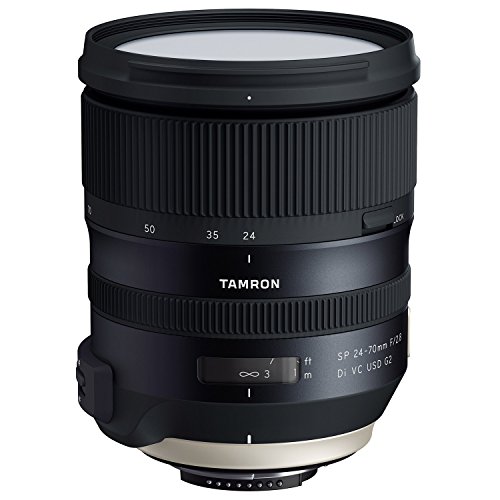
Tamron 24-70mm F/2.8 G2 for Nikon
Best for: handheld photography requiring stabilization
- Lens Mount
- Nikon
- Focal Length
- 24-70mm
- Maximum Aperture
- f/2.8
- Lens Type
- Zoom
- Minimum Focus Distance
- 0.38 m (15 in)
- Recommended Usage
- Photography
This Tamron zoom lens offers a 24-70mm focal range and an f/2.8 maximum aperture for Nikon mounts. It includes 5-stop image stabilization and fluorine coating for weather resistance. The lens weighs 1.98 pounds and measures 3.5 by 3.5 by 4.3 inches. You get a minimum focus distance of 0.38 meters. It suits photographers needing versatile reach and stabilization in a compact build.
- 5 CIPA-rated stops of image stabilization
- f/2.8 maximum aperture throughout zoom range
- Fluorine coating and moisture-resistant construction
- 0.38 m minimum focus distance
- Heavier at 1.98 pounds compared to lighter alternatives
- Larger physical dimensions at 3.5 by 3.5 by 4.3 inches
- You need built-in image stabilization for handheld shooting
- You require a versatile 24-70mm focal length range
- You shoot in environments where moisture resistance matters
- You prioritize the lightest possible lens weight
- You need a significantly more compact form factor
- You prefer a lens without vibration compensation
Verdict: Tamron 24-70mm f/2.8 G2 VC USD fits photographers who value stabilization and weather sealing over minimal weight. You should choose this lens if you need reliable handheld performance in a standard zoom range.

Nikon 24-70mm f/2.8G ED Lens
Best for: Nikon FX and DX photographers needing f/2.8 speed
- Focal Length
- 24-70mm
- Maximum Aperture
- f/2.8
- Sensor Format
- Nikon FX, DX
- Lens Type
- Wide Angle Zoom
- Dimensions
- 5.2 × 3.3 × 3.3 inches
- Weight
- 2.89 pounds
This Nikon 24-70mm f/2.8G ED lens is a wide-angle zoom optimized for both FX and DX sensors. It features a constant f/2.8 maximum aperture and uses Silent Wave Motor for fast, quiet autofocus. The build includes two ED elements and PGM aspherical lenses to control chromatic aberration. At 2.89 pounds, it is a substantial tool for photographers needing sharpness and low-light capability on Nikon bodies.
- Constant f/2.8 maximum aperture for consistent exposure
- Silent Wave Motor provides ultra high-speed autofocusing
- Optimized for edge-to-edge sharpness on FX and DX sensors
- Nano Crystal Coat reduces ghosting and flare
- Weighs 2.89 pounds, which is heavier than the Tamron G2
- 90-day warranty is shorter than standard new-item coverage
- Maximum aperture of f/2.8 is slower than f/2.8 options with newer designs
- You need a fast zoom for Nikon FX or DX cameras
- You value quiet and accurate autofocus performance
- You want wide-angle to medium telephoto coverage
- You prioritize a lighter lens for travel
- You require a warranty longer than 90 days
- You prefer the latest generation optical designs
Verdict: Nikon 24-70mm f/2.8G ED AF-S suits Nikon shooters who need reliable speed and sharpness across both full-frame and crop sensors. Its weight and older generation design may not suit those seeking the lightest possible setup.
Specifications side by side
| Spec | Tamron 24-70mm F/2.8 G2 for Nikon | Nikon 24-70mm f/2.8G ED Lens |
|---|---|---|
| Lens Mount | Nikon | – |
| Focal Length | 24-70mm | 24-70mm |
| Maximum Aperture | f/2.8 | f/2.8 |
| Sensor Format | – | Nikon FX, DX |
| Lens Type | Zoom | Wide Angle Zoom |
| Minimum Focus Distance | 0.38 m (15 in) | – |
| Recommended Usage | Photography | – |
| Color | Black | – |
| Intended Use | Portraits, Landscapes | – |
| Dimensions | 4.3 × 3.5 × 3.5 inches | 5.2 × 3.3 × 3.3 inches |
| Weight | 1.98 pounds | 2.89 pounds |
| Size | Nikon | – |
| Model | AFA032N700 | CRTNK2470GRB |
Frequently asked questions
Which lens is better for handheld photography?
The Tamron 24-70mm F/2.8 G2 is the better choice for handheld work. It includes Vibration Compensation (VC) to help stabilize your images. This feature is useful when shooting without a tripod. The lens also weighs only 1.98 pounds. This lighter weight reduces fatigue during long sessions.
How do the weights of these two lenses compare?
The Tamron lens is significantly lighter than the Nikon option. The Tamron 24-70mm G2 weighs 1.98 pounds. The Nikon 24-70mm f/2.8G ED weighs 2.89 pounds. This difference of nearly one pound can matter during travel. The Tamron is also more compact in length.
Are both lenses suitable for portraits and landscapes?
Yes, both lenses are designed for portraits and landscapes. They share a 24-70mm focal length. This range covers wide-angle to short telephoto views. The constant f/2.8 maximum aperture allows for shallow depth of field. This helps isolate subjects in portraits while keeping landscapes sharp.
Which lens is more compact for travel?
The Tamron 24-70mm G2 is more compact. Its dimensions are 3.5 by 3.5 by 4.3 inches. The Nikon lens measures 3.3 by 3.3 by 5.2 inches. The Tamron is shorter and slightly wider. The Nikon is taller but longer. Overall, the Tamron offers a better balance of size and weight for portability.
Do these lenses work with Nikon DX sensors?
Yes, both lenses are compatible with Nikon DX sensors. The Nikon lens is explicitly noted as suitable for FX and DX photographers. The Tamron lens fits Nikon mounts, which include DX bodies. You will get a crop factor on DX cameras. This effectively changes the field of view for both lenses.
What is the maximum aperture on these zooms?
Both lenses have a maximum aperture of f/2.8. This wide aperture is consistent across the entire zoom range. It allows more light into the sensor. This is helpful in low-light conditions. It also enables faster shutter speeds for action shots.


