As Amazon Associates, we earn from qualifying purchases. This means we may receive a small commission at no extra cost to you if you click through and make a purchase.
As an Amazon Associate we earn from qualifying purchases. Links on this page are affiliate links.
Understanding Resolution in Compact Cameras
Resolution refers to the total number of pixels a camera sensor can capture in a single image. In point-and-shoot cameras, this figure is typically displayed in megapixels, or MP. You will see values like 20.1 MP, 20 MP, and 20.3 MP on most listings in this category. These numbers indicate the image dimensions. A higher count means more detail can be recorded.
This spec is measured by multiplying the horizontal pixel count by the vertical pixel count. For example, a 20-megapixel sensor might produce an image with dimensions of 5472 by 3648 pixels. The result is approximately 19.9 million pixels, which rounds up to 20 MP. Slight variations, such as 20.1 MP or 20.3 MP, often come from how manufacturers round the final figure or include non-image pixels for calibration. These minor differences rarely affect the final photo quality in a noticeable way.
You should understand what this spec means for your workflow. Higher resolution allows you to crop images without losing sharpness. It also enables larger prints. If you plan to print photos at 16×20 inches, a 20 MP file provides sufficient data for clear results. For social media or web use, these files are more than adequate. The difference between 20 MP and 20.3 MP is negligible for everyday use.
When comparing models, focus on resolution explained in the context of your needs. Most point-and-shoot cameras fall into the 20 to 20.3 MP range. This is the sweet spot for balancing file size and image clarity. Larger files take up more storage space and may slow down burst shooting speeds. Smaller files are easier to manage but limit your cropping options.
Buyers care about this spec because it defines the maximum detail available. It is a primary factor in determining print size and digital flexibility. However, resolution is not the only factor affecting image quality. Sensor size and lens quality also play critical roles. A 20 MP camera with a better lens will often outperform a higher-megapixel model with a poor lens. Check the full specifications to see how resolution fits into the overall package. This spec is a baseline metric for image potential.
Comparing 20 Megapixel Resolution Options
20.1 MP
This resolution provides a standard level of detail for everyday photography. You can print large photos or crop images slightly without losing clarity. The Sony RX100 IV uses this sensor size, pairing it with a 1-inch sensor for better light gathering than smaller sensors. This combination helps maintain image quality in varied lighting. You get sharp results for portraits and landscapes. The trade-off is that the difference between 20.1 MP and 20 MP is negligible in real-world use. You choose this when you want a reliable, high-quality compact camera with good video capabilities, like 4K recording.
20 MP
Twenty megapixels is a common baseline for modern cameras. It offers enough detail for most social media and standard print sizes. The OM System E-M10 Mark IV and Minolta DiMAGE MN68Z both use this count. With the OM System, you benefit from interchangeable lenses, allowing you to adapt to different shooting needs. The Minolta model prioritizes extreme zoom reach. For you, this resolution means consistent performance without the premium cost of higher counts. It is a practical choice if you shoot frequently and need flexibility. You do not gain significant artistic advantage over slightly higher counts, but you gain versatility in lens options or zoom range.
20.3 MP
This slight increase over 20 MP offers minimal practical benefit. The Canon PowerShot SX740 HS and SX70 HS use this sensor count. The difference is often less than one percent in visible detail. You might notice it only in side-by-side comparisons with high-end gear. The real value here lies in the zoom lens and video specs, not the pixel count. You get strong zoom capabilities in a pocketable body. This resolution suits travelers who need reach and portability. It is a functional choice that balances file size with adequate sharpness. You avoid large file sizes while still capturing clear images for general use.
Is 20 Megapixels Worth It
Who needs it
You should prioritize this resolution if you plan to print your photos at large sizes or crop them significantly. A sensor capturing around 20 megapixels provides enough detail for standard prints up to 8×10 inches without visible pixelation. This level of resolution is ideal for travelers who want to keep their gear compact but still need versatile image quality. You will benefit from the flexibility to crop out distractions in post-processing while retaining sharp edges. If you share your images on social media or create digital portfolios, this spec ensures your photos look clean and professional. It balances file size and quality well, avoiding the massive data loads of higher resolutions while maintaining clarity. This makes it a practical choice for everyday shooting where you need reliable results without complex setup.
Who can skip it
You can skip this specific resolution if you only view images on small screens or share them exclusively online. Social media platforms compress images heavily, so the extra detail from 20 megapixels offers little visible benefit in those contexts. If you prioritize video over stills, focus on frame rates and stabilization features instead. Also, consider skipping if you need extreme low-light performance, as smaller sensors with high pixel counts can struggle in dim environments. In those cases, a lower resolution with larger individual pixels often yields cleaner results with less noise. You might also prefer cameras with better zoom lenses or faster autofocus systems if your main goal is capturing distant subjects or fast-moving action. For casual snapshots that are never printed, standard resolutions are sufficient. Prioritize ease of use and lens quality over pixel count for a more enjoyable shooting experience.
Resolution Glossary Terms
Sensor Format
The physical size of the image sensor. Larger formats like one-inch sensors generally capture more light and detail than smaller ones, affecting image quality in low light.
Sensor Resolution
The total pixel count on the sensor, measured in megapixels. Higher numbers allow for larger prints and more cropping flexibility without losing visible detail in the final image.
Video Resolution
The pixel dimensions of recorded video clips. Common standards include 4K and 1080p. Higher resolutions provide sharper moving images suitable for modern displays and digital editing.
Autofocus Technology
The system that adjusts lens focus automatically. Phase detection and contrast detection are common methods. Faster systems help capture sharp images of moving subjects without manual adjustment.
Included Lens
The fixed glass element attached to the camera body. It defines the focal length range. A wide-angle lens captures more scenery, while telephoto lenses zoom in on distant objects.
Recommended Usage
Guidelines suggesting when to use specific camera settings. This includes modes for portraits, landscapes, or sports. Matching usage to the scene helps optimize sharpness and exposure for your needs.
Color Configuration
How the sensor records color data. Most use a Bayer filter array. This setup captures red, green, and blue light separately to reconstruct full-color images from raw sensor data.
| # | Product | Best for | Price |
|---|---|---|---|
| 1 | Sony RX100 IV 1-inch Sensor Camera | High-resolution compact photography and 4K video | |
| 2 | OM System E-M10 Mark IV with 14-42mm Lens | interchangeable lens photography and vlogging | |
| 3 | Canon PowerShot SX740 HS Black 40x Zoom | travelers needing high zoom in a pocketable camera | |
| 4 | Sony RX10 V 25x Zoom Black Camera | high zoom reach and 4K video | |
| 5 | Minolta DiMAGE MN68Z 68x Zoom 4K | distant subject photography and travel | |
| 6 | Canon PowerShot SX70 HS 21-1365mm Zoom | Travelers needing long zoom reach |
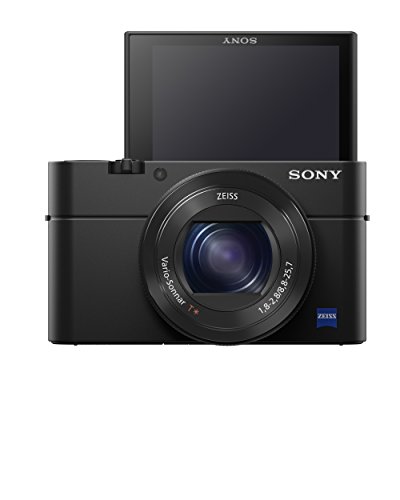
Sony RX100 IV 1-inch Sensor Camera
Best for: High-resolution compact photography and 4K video
- Resolution
- 20.1 MP
- Sensor Resolution
- 20.1 MP
- Sensor Size
- 1-inch
- Focal Length Equivalent
- 24-70mm
- Maximum Aperture
- F18- F28
- Video Resolution
- 4K
This compact camera features a 20.1 MP 1-inch Exmor RS sensor. It records 4K video and shoots up to 16 fps. The 24-70mm lens offers a versatile focal range. You get a 3-inch multi-angle LCD and a retractable OLED viewfinder. This model suits you if you need high resolution in a small body. It is ideal for travel photography where size matters.
- 20.1 MP 1-inch stacked CMOS sensor
- 4K video recording with direct pixel readout
- Fast 1/32000 sec anti-distortion shutter
- Retractable OLED viewfinder and 3-inch LCD
- Fixed 24-70mm focal length limits zoom range
- Heavier at 9.56 ounces compared to smaller compacts
- Narrower 24-70mm range than 25x zoom alternatives
- You want a 1-inch sensor for better low-light performance
- You need 4K video resolution for detailed footage
- You prefer a compact size for travel
- You require a long optical zoom lens
- You need interchangeable lenses for versatility
- You want a lighter camera under 8 ounces
Verdict: Sony RX100 IV 20.1MP 1-inch Sensor delivers high resolution and 4K video in a pocketable body. It fits you if you prioritize image quality and video specs over zoom range.

OM System E-M10 Mark IV with 14-42mm Lens
Best for: interchangeable lens photography and vlogging
- Resolution
- 20 MP
- Sensor Resolution
- 20 MP
- Sensor Size
- Micro Four Thirds
- Optical Zoom
- 3.0 multiplier_x
- Maximum Aperture
- F3.5-5.6
- Video Resolution
- 4K
This OM System camera uses a 20 MP Live MOS sensor in a Micro Four Thirds format. It records 4K video and includes 5-axis in-body image stabilization. The flip-down monitor supports a dedicated selfie mode. You get Wi-Fi and Bluetooth for always-on connection. The kit includes a 14-42mm lens with 3x optical zoom. This setup suits you if you want interchangeable lenses and compact portability.
- 20 MP Live MOS sensor
- Micro Four Thirds sensor size
- 4K video resolution
- 5-axis in-body image stabilization
- Flip-down monitor with selfie mode
- 3x optical zoom is lower than the 25x or 68x zoom found on other list items
- 20 MP resolution is slightly lower than the 20.1 MP or 20.3 MP sensors in competing models
- You want interchangeable lenses for creative control
- You need in-body stabilization for handheld shooting
- You prefer a compact system camera over a bridge style
- You require high optical zoom for distant subjects
- You want the highest possible megapixel count
- You prefer a fixed-lens bridge camera design
Verdict: OM System E-M10 Mark IV 20 MP offers a versatile Micro Four Thirds system with 5-axis stabilization. It fits you if you prioritize lens flexibility and compact size over high zoom ranges.

Canon PowerShot SX740 HS Black 40x Zoom
Best for: travelers needing high zoom in a pocketable camera
- Resolution
- 20.3 MP
- Sensor Resolution
- 20.3MP
- Optical Zoom
- 40x
- Focal Length Equivalent
- 24-960mm
- Display Size
- 3”
- Color
- Black
The Canon PowerShot SX740 HS is a compact digital camera featuring a 20.3MP CMOS sensor and a DIGIC 8 processor. It offers 40x optical zoom with a 24-960mm equivalent focal length. The 3-inch touchscreen tilts 180 degrees for flexible framing. It weighs 10.5 ounces and includes continuous shooting up to 7.4 fps. This model suits travelers seeking high zoom reach in a pocketable body.
- 20.3MP CMOS sensor for high-resolution images
- 40x optical zoom lens with 24-960mm range
- 180-degree tilting 3-inch touchscreen LCD
- DIGIC 8 processor supports 7.4 fps continuous shooting
- Lightweight 10.5-ounce design fits in pockets
- 40x optical zoom is less than the 68x zoom on the Minolta DiMAGE MN68Z
- 20.3MP resolution is slightly lower than the 20.1MP Sony RX100 IV and 20.3MP Canon SX70 HS
- Smaller 1/2.3-inch sensor compared to the 1-inch sensor in the Sony RX100 IV
- You need extreme zoom reach for distant subjects
- You want a pocketable camera with a tilting screen
- You prioritize lightweight portability over large sensor size
- You require a larger sensor for better low-light performance
- You need higher optical zoom than 40x
- You prefer a mirrorless system with interchangeable lenses
Verdict: Canon PowerShot SX740 HS 40x Zoom delivers strong zoom capability in a small body. It fits travelers who value portability and reach over sensor size.

Sony RX10 V 25x Zoom Black Camera
Best for: high zoom reach and 4K video
- Resolution
- 20.1 MP
- Sensor Resolution
- 20.1 MP
- Sensor Size
- 1-type
- Optical Zoom
- 25x
- Focal Length Equivalent
- 24–600mm
- Maximum Aperture
- F2.4-4
The Sony RX10 V is a premium compact camera with a 25x optical zoom lens and a 20.1 MP stacked backside illuminated CMOS sensor. It features a 24–600mm focal length range and shoots 4K video at 60p. This model suits you if you need high zoom reach in a fixed-lens body. The 3-pound weight and full-size build accommodate the large lens. It is a solid option for travelers who prioritize zoom capability over portability.
- 25x optical zoom with 24–600mm focal length
- 20.1 MP 1-type Exmor RS stacked sensor
- 4K 60p video recording without crop
- 30 fps blackout-free still shooting
- Heavier at 3 pounds compared to lighter compacts
- Larger physical dimensions than pocket-sized cameras
- 20.1 MP resolution is lower than the 20.3 MP competitors
- You need a 25x optical zoom range
- You want 4K 60p video without cropping
- You prefer a fixed-lens bridge camera
- You prioritize the lightest possible weight
- You need the highest megapixel count available
- You want a pocket-sized form factor
Verdict: Sony RX10 V 25x Zoom Camera delivers significant reach for wildlife or sports. It fits buyers who value zoom range and 4K video quality over compact size.

Minolta DiMAGE MN68Z 68x Zoom 4K
Best for: distant subject photography and travel
- Resolution
- 20 MP
- Sensor Resolution
- 20MP
- Optical Zoom
- 68x
- Focal Length Equivalent
- 23.4 mm to 1591 mm
- Video Resolution
- 4K Ultra HD
- Display Size
- 3-inch
This bridge camera pairs a 20MP sensor with a massive 68x optical zoom range. You get 23.4 to 1591mm equivalent focal lengths for distant subjects. It records 4K video at 30fps. The kit includes a 3-inch vari-angle LCD and an electronic viewfinder. Built-in WiFi lets you transfer files to your phone. It suits travelers who need reach without changing lenses.
- 68x optical zoom covers 23.4 to 1591mm
- 4K Ultra HD video recording at 30fps
- 20MP backside-illuminated CMOS sensor
- Vari-angle 3-inch LCD screen
- Built-in WiFi for remote shooting
- 20MP resolution is lower than the 20.1MP and 20.3MP sensors on other list items
- 1.31-pound weight is heavier than typical pocket compacts
- You need extreme zoom for wildlife or sports
- You want 4K video in a fixed-lens body
- You prefer a vari-angle screen for vlogging
- You prioritize the highest possible megapixel count
- You need a lightweight camera for all-day carry
- You prefer interchangeable lens flexibility
Verdict: Minolta DiMAGE MN68Z 68x Zoom 20MP offers unmatched reach for its class. It fits photographers who prioritize zoom distance over maximum resolution or compact size.

Canon PowerShot SX70 HS 21-1365mm Zoom
Best for: Travelers needing long zoom reach
- Resolution
- 20.3 MP
- Sensor Resolution
- 20.3 MP
- Sensor Size
- 1/2.3"
- Focal Length Equivalent
- 21-1365mm
- Video Resolution
- 4K
- Color
- Black
The Canon PowerShot SX70 HS is a bridge camera with a 20.3 MP sensor and a 21-1365mm lens. It records 4K video and connects via Wi-Fi. The 1/2.3-inch sensor captures detailed images. You get a long reach for distant subjects. This compact body fits in a bag. It suits travelers who need zoom power without changing lenses.
- 20.3 MP CMOS sensor for high resolution
- 21-1365mm focal length equivalent for extreme zoom
- 4K video recording capability
- Built-in Wi-Fi for easy transfers
- 1/2.3-inch sensor is smaller than the 1-inch sensor in the Sony RX100 IV
- Weighs 1.34 pounds, which is heavier than typical pocket compacts
- 21-1365mm zoom range is shorter than the 68x optical zoom on the Minolta DiMAGE MN68Z
- You need a single camera for travel and wildlife
- You want 4K video without carrying extra gear
- You prefer a fixed lens system over interchangeable lenses
- You require a larger sensor for better low-light performance
- You need extreme zoom beyond 1365mm equivalent
- You want a lightweight pocket camera under 1 pound
Verdict: The Canon PowerShot SX70 HS 20.3 MP delivers strong zoom reach and 4K video in a portable body. It fits travelers who prioritize versatility over sensor size.
Specifications side by side
| Spec | Sony RX100 IV 1-inch Sensor Camera | OM System E-M10 Mark IV with 14-42mm Lens | Canon PowerShot SX740 HS Black 40x Zoom | Sony RX10 V 25x Zoom Black Camera | Minolta DiMAGE MN68Z 68x Zoom 4K | Canon PowerShot SX70 HS 21-1365mm Zoom |
|---|---|---|---|---|---|---|
| Sensor Resolution | 20.1 MP | 20 MP | 20.3MP | 20.1 MP | 20MP | 20.3 MP |
| Sensor Size | 1-inch | Micro Four Thirds | – | 1-type | – | 1/2.3" |
| Optical Zoom | – | 3.0 multiplier_x | 40x | 25x | 68x | – |
| Focal Length Equivalent | 24-70mm | – | 24-960mm | 24–600mm | 23.4 mm to 1591 mm | 21-1365mm |
| Maximum Aperture | F18- F28 | F3.5-5.6 | – | F2.4-4 | – | – |
| Video Resolution | 4K | 4K | – | 4K | 4K Ultra HD | 4K |
| Display Size | 3" | – | 3” | – | 3-inch | – |
| Image Stabilization | – | 5-Axis | – | – | Optical Image Stabilization | – |
| Sensor Format | – | Micro Four Thirds | – | – | – | – |
| Recommended Usage | – | – | – | – | Vlogging | – |
| Configuration | – | Lens Kit | – | – | – | – |
| Color | Black | Silver | Black | Black | Blue | Black |
| Resolution | 20.1 MP | 20 MP | 20.3 MP | 20.1 MP | 20 MP | 20.3 MP |
| Connectivity | – | Wi-Fi | – | – | Wi-Fi | Wi-Fi |
| Lens Type | – | – | – | Super Telephoto | – | – |
| Intended Use | – | Video | – | – | – | – |
| Dimensions | 4 × 1.6 × 2.8 inches | 4.8 × 2.6 × 3.3 inches | 7.46 × 5.47 × 5.26 inches | 6 × 5.38 × 3.75 inches | – | 5 × 3.58 × 4.61 inches |
| Weight | 9.56 ounces | 1.1 pounds | 10.5 ounces | 3 pounds | 1.31 pounds | 1.34 pounds |
| Size | 4 x 1.6 x 2.8 inches | – | – | Full-Size | 2.60 | – |
| Model | DSC-RX100M4 | V207132SU000 | SX740HSBK | DSCRX10M5B | MN68Z-BL | SX70 HS |
Frequently asked questions
Does a higher megapixel count always mean better image quality?
Not necessarily. The Sony RX100 IV achieves high resolution with a large 1-inch sensor, which helps capture more light and detail. In contrast, the Canon PowerShot SX740 HS offers 20.3 MP on a smaller sensor. Larger sensors often provide better low-light performance regardless of the megapixel number.
Is 20 megapixels enough for printing large photos?
Yes, 20 megapixels is sufficient for standard prints up to 8×10 inches without visible pixelation. Models like the OM System E-M10 Mark IV and the Minolta DiMAGE MN68Z both use 20 MP sensors. This resolution allows you to crop images slightly while maintaining clarity for everyday photography needs.
How does resolution affect video recording capabilities?
Resolution determines the pixel count of still images, but video quality depends on video resolution specs. The Sony RX100 IV, Canon PowerShot SX70 HS, and Minolta DiMAGE MN68Z all support 4K video. These cameras pair their 20 MP still sensors with 4K video recording for high-definition content.
Which camera offers the best balance of resolution and portability?
The Sony RX100 IV balances a 20.1 MP sensor with a compact 4 x 1.6 x 2.8 inch body. It weighs just 9.56 ounces. This makes it ideal for users who prioritize image quality and video specs over zoom range while keeping the device pocketable for travel.
Does a high zoom range compromise image resolution?
Zoom range and resolution are separate specs. The Minolta DiMAGE MN68Z offers 68x zoom with a 20 MP sensor. The Sony RX10 V provides 25x zoom with 20.1 MP. These models show you can have significant reach and high resolution simultaneously, though larger bodies like the RX10 V are heavier.
What is the difference between a 20 MP and 20.1 MP sensor?
The difference is minimal, representing a slight variation in pixel arrangement. The Sony RX100 IV and RX10 V use 20.1 MP sensors. The OM System E-M10 Mark IV and Minolta DiMAGE MN68Z use 20 MP sensors. Both levels provide ample detail for standard prints and digital use.
Can I use these cameras for vlogging?
Yes, several models support vlogging with 4K video resolution. The Minolta DiMAGE MN68Z is recommended for vlogging and includes Wi-Fi connectivity. The Canon PowerShot SX70 HS also offers 4K video and Wi-Fi. These features help you share content easily while maintaining high visual quality.


