As Amazon Associates, we earn from qualifying purchases. This means we may receive a small commission at no extra cost to you if you click through and make a purchase.
As an Amazon Associate we earn from qualifying purchases. Links on this page are affiliate links.
Choosing between a canon vs tamron camera lens often comes down to focal range and stabilization needs. Both the Canon EF 16-35mm f/2.8L II USM and the Tamron 24-70mm F/2.8 G2 offer constant f/2.8 maximum apertures for low-light performance. The main difference lies in their coverage. The Canon provides an ultra-wide angle for expansive scenes. The Tamron covers a versatile standard zoom range with built-in image stabilization for sharper handheld shots.
Focal Length
16-35mm
24-70mm
Lens Mount
Canon EF
Nikon
Image Stabilization
not listed
Yes (5 stops)
Minimum Focus Distance
0.92 feet
15 inches
Weight
2.15 pounds
1.98 pounds
Choose the first if
- You need an ultra-wide perspective for landscapes or architecture.
- You shoot with Canon EF mount cameras.
- You prefer a lens designed for internal focusing without extending.
Choose the second if
- You want image stabilization to reduce blur in handheld shots.
- You need a versatile focal range for portraits and events.
- You shoot with Nikon mount cameras.
Verdict
The Canon EF 16-35mm is the better choice for wide-angle work on Canon bodies. The Tamron 24-70mm suits photographers who need stabilization and a broader focal range on Nikon systems. Your camera mount and specific shooting style should drive this decision.
Canon vs Tamron Lens Specs
Focal range utility
Edge: Tie
The Canon EF 16-35mm f/2.8L II USM covers an ultra-wide-angle range from 16mm to 35mm. This focal length is ideal for expansive landscapes, tight interiors, and dramatic architectural shots where you need to fit more into the frame. In contrast, the Tamron 24-70mm F/2.8 G2 for Nikon offers a standard zoom range from 24mm to 70mm. This versatile span is better suited for portraits, events, and general photography where you need to frame subjects from a moderate distance without moving closer. You should choose based on whether you need extreme wide-angle reach or versatile mid-range flexibility.
Autofocus technology
Edge: Tie
Canon utilizes a Ring-type USM motor for its 16-35mm lens. This system provides fast and quiet autofocusing, which is beneficial for both photo and video work where noise matters. The Tamron 24-70mm F/2.8 G2 employs a dedicated High performance MPU for AF. This technology dramatically improves autofocus accuracy and speed. Additionally, Tamron includes a VC auto detect mode 2 for panning. Both lenses prioritize speed, but Canon relies on its traditional USM ring design while Tamron uses advanced microprocessor control for precision. You get reliable performance from either system depending on your preference for motor type.
Image stabilization
Edge: Tamron 24-70mm F/2.8 G2 for Nikon
The Tamron 24-70mm F/2.8 G2 features dedicated image stabilization, delivering up to 5 CIPA-rated stops of compensation. This is a significant advantage for handheld shooting in low light or when using slower shutter speeds. The Canon EF 16-35mm f/2.8L II USM data does not list built-in image stabilization. Without stabilization, you may need to rely on higher ISO settings or a tripod for sharp handheld results in dim conditions. If you frequently shoot without a tripod in varying light, the Tamron's stabilization offers a clear practical benefit for reducing blur.
Build and coating
Edge: Tamron 24-70mm F/2.8 G2 for Nikon
Both lenses feature robust build qualities. The Tamron 24-70mm F/2.8 G2 includes fluorine coating and moisture-resistant construction, which helps protect against dust and water splashes. It also uses Eband coating to reduce flare and ghosting. The Canon EF 16-35mm f/2.8L II USM is described as a professional L-series lens but the data does not explicitly mention weather sealing or specific coating types beyond optical elements. Both are black, but Tamron's explicit moisture resistance and anti-reflective coatings provide a documented edge for harsh shooting environments.
Physical dimensions
Edge: Tamron 24-70mm F/2.8 G2 for Nikon
Size and weight matter for portability. The Tamron 24-70mm F/2.8 G2 measures 3.5 inches in diameter and 4.3 inches long, weighing 1.98 pounds. The Canon EF 16-35mm f/2.8L II USM is slightly larger at 3.5 inches in diameter and 4.4 inches long, weighing 2.15 pounds. The Tamron lens is both shorter and lighter by a small margin. This difference may be noticeable during long shooting sessions or when traveling light. You will find the Tamron slightly easier to carry for extended periods due to its lower weight and compact length.
Choose your lens by focal range needs
Landscape and architecture photographer
Our pick: Canon EF 16-35mm f/2.8L II USM
You need the Canon EF 16-35mm f/2.8L II USM for its ultra-wide 16mm start. This focal range captures expansive scenes and tight interiors better than any standard zoom. The constant f/2.8 aperture ensures consistent exposure across the entire zoom range, which is critical for wide-angle work in varying light conditions.
Event and portrait shooter
Our pick: Tamron 24-70mm F/2.8 G2 for Nikon
The Tamron 24-70mm F/2.8 G2 offers a versatile 24-70mm range perfect for portraits and environmental shots. It includes 5 stops of image stabilization, allowing you to shoot handheld in lower light without blur. The fluorine coating resists moisture, making it reliable for outdoor events where weather conditions might change rapidly during your shoot.
Traveler seeking versatility
Our pick: Tamron 24-70mm F/2.8 G2 for Nikon
You should choose the Tamron lens for its balanced focal length that covers wide to short telephoto. At 1.98 pounds, it is lighter than the Canon alternative. The dedicated MPU improves autofocus speed and accuracy, which helps when capturing fast-moving subjects. The 24-70mm range reduces the need to carry multiple lenses, simplifying your travel kit significantly.

Canon EF 16-35mm f/2.8L II USM
Best for: Canon EF users needing wide-angle shots
- Lens Mount
- Canon EF
- Focal Length
- 16-35mm
- Maximum Aperture
- f/2.8
- Lens Type
- ultra-wide-angle zoom
- Minimum Focus Distance
- 0.92 feet
- Color
- Black
This Canon ultra-wide-angle zoom lens covers 16-35mm with a constant f/2.8 maximum aperture. It uses three high-precision aspherical elements to maintain image quality across the range. The ring-type USM motor provides fast and quiet autofocusing. You get a closest focusing distance of 0.92 feet. It weighs 2.15 pounds and fits Canon EF cameras.
- Constant f/2.8 maximum aperture for low light
- Three high-precision aspherical lens elements
- Ring-type USM for fast autofocusing
- 0.92 feet closest focusing distance
- Heavier build at 2.15 pounds
- Shorter 1-year warranty coverage
- Larger physical size at 4.4 inches diameter
- You need a wide field of view for landscapes
- You shoot in low light and need f/2.8
- You own Canon EF mount cameras
- You use Nikon or Sony mount cameras
- You need a lighter lens for travel
- You prefer a longer warranty period
Verdict: Canon EF 16-35mm f/2.8L II USM suits Canon users who prioritize wide-angle coverage and fast aperture. It delivers sharp images and quick focusing, though you should accept its weight and size.
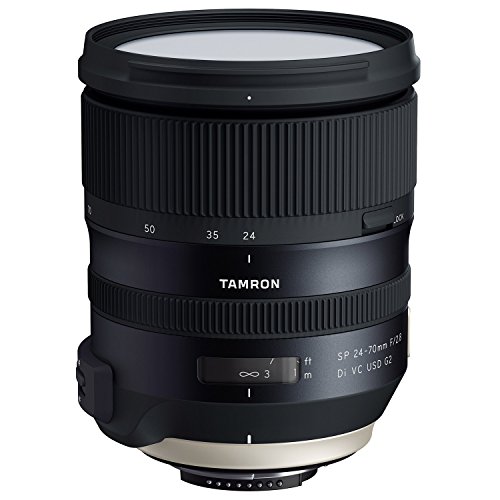
Tamron 24-70mm F/2.8 G2 for Nikon
Best for: Nikon users needing stabilization
- Lens Mount
- Nikon
- Focal Length
- 24-70mm
- Maximum Aperture
- f/2.8
- Lens Type
- Zoom
- Minimum Focus Distance
- 0.38 m (15 in)
- Recommended Usage
- Photography
This Tamron zoom lens covers a versatile 24-70mm focal range with a constant f/2.8 maximum aperture. It includes built-in image stabilization rated at 5 CIPA stops, which helps reduce blur in low light. The fluorine coating and moisture-resistant construction protect the lens in various weather conditions. It is designed for Nikon mount cameras and suits photographers who need reliable performance for portraits and landscapes.
- Constant f/2.8 maximum aperture throughout the zoom range
- 5 CIPA-rated stops of image stabilization
- Fluorine coating and moisture-resistant construction
- Minimum focus distance of 0.38 meters
- Heavier at 1.98 pounds compared to lighter alternatives
- Larger physical dimensions with a 4.3-inch length
- You shoot in variable weather conditions
- You need stabilization for handheld shots
- You use Nikon mount cameras
- You prioritize the lightest possible gear
- You shoot with Canon cameras
- You need a wider angle than 24mm
Verdict: Tamron 24-70mm f/2.8 G2 for Nikon offers strong stabilization and weather sealing for Nikon users. It fits photographers who value durability and handheld support over minimal weight.
Specifications side by side
| Spec | Canon EF 16-35mm f/2.8L II USM | Tamron 24-70mm F/2.8 G2 for Nikon |
|---|---|---|
| Lens Mount | Canon EF | Nikon |
| Focal Length | 16-35mm | 24-70mm |
| Maximum Aperture | f/2.8 | f/2.8 |
| Lens Type | ultra-wide-angle zoom | Zoom |
| Minimum Focus Distance | 0.92 feet | 0.38 m (15 in) |
| Recommended Usage | – | Photography |
| Color | Black | Black |
| Intended Use | – | Portraits, Landscapes |
| Dimensions | 4.4 × 4.4 × 4.4 inches | 4.3 × 3.5 × 3.5 inches |
| Weight | 2.15 pounds | 1.98 pounds |
| Model | 1910B002 | AFA032N700 |
| Size | – | Nikon |
Frequently asked questions
Is Canon or Tamron better for wide-angle photography?
Canon is the better choice if you need ultra-wide coverage. The Canon EF 16-35mm f/2.8L II USM starts at 16mm, capturing expansive landscapes and tight interiors. Tamron’s listed option starts at 24mm, which is less wide. You should choose Canon for dramatic architectural shots that require a broader field of view.
Which lens is lighter and more portable?
The Tamron 24-70mm F/2.8 G2 is lighter. It weighs 1.98 pounds, while the Canon EF 16-35mm f/2.8L II USM weighs 2.15 pounds. The Tamron also has a smaller physical footprint, measuring 3.5 inches in width and height. If you prioritize minimal weight for handheld support, the Tamron is the practical option.
Do I need a specific camera mount for these lenses?
Yes, you must match the lens mount to your camera body. The Canon lens uses the Canon EF mount, so it only works with compatible Canon DSLRs. The Tamron lens listed is designed for Nikon cameras. You cannot use the Tamron on a Canon body without an adapter, and the Canon lens will not fit a Nikon mount.
Which lens offers better stabilization for handheld shooting?
The Tamron 24-70mm F/2.8 G2 offers strong stabilization features. This is beneficial for handheld support and durability. The Canon EF 16-35mm f/2.8L II USM does not list stabilization specs in its data. If you value in-body or lens-based stabilization for shaky conditions, the Tamron is the more suitable choice.
Can I use these lenses for portraits and landscapes?
Both lenses can handle these genres, but with different strengths. The Tamron 24-70mm is explicitly recommended for portraits and landscapes. The Canon 16-35mm is ideal for landscapes and interiors due to its wide angle. The Tamron’s 24-70mm range offers more versatility for standard portrait distances compared to the Canon’s ultra-wide focus.
Is the f/2.8 aperture constant on both lenses?
Yes, both lenses maintain a constant f/2.8 maximum aperture. This specification ensures consistent low-light performance across their entire zoom range. You get the same light gathering ability at the widest and longest focal lengths. This is a key shared feature that supports professional shooting conditions without needing to change exposure settings as you zoom.